
Last updated: 9 September 2026 | Medically reviewed by: The GPCarely Clinical Review Team | Reading level: General audience
Bacterial vaginosis (BV) and yeast infections (thrush) are two of the most common causes of vaginal discomfort, and they're frequently confused because some symptoms overlap. However, they have different causes, need different treatments, and using the wrong one can prolong discomfort or, in the case of repeated self-treatment with the wrong product, delay proper diagnosis. This guide explains the key differences between BV versus yeast infections, how to recognise which one you might have, and when it's worth getting a proper diagnosis rather than guessing.
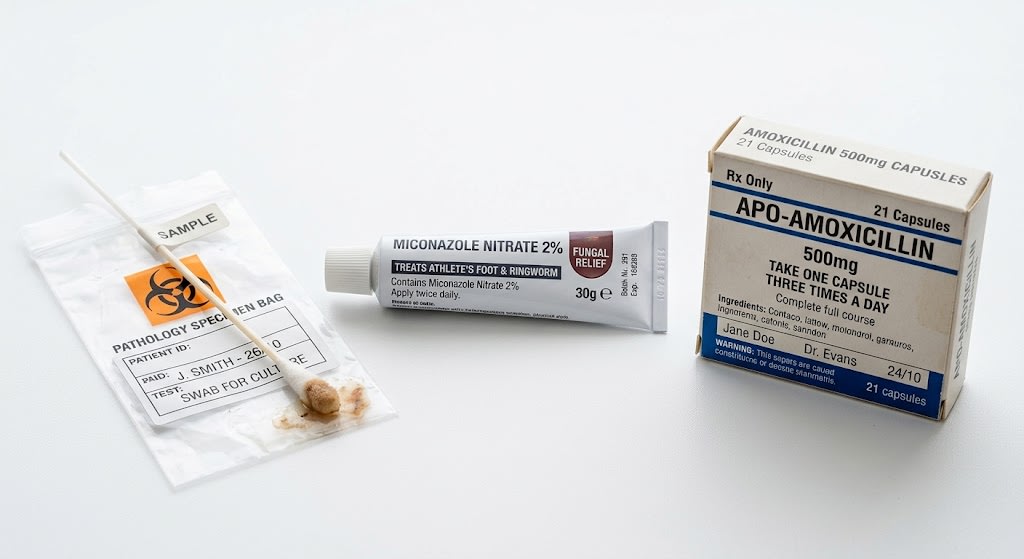
What Is Bacterial Vaginosis (BV)?
BV occurs when the natural balance of bacteria in the vagina is disrupted, typically involving a decrease in protective lactobacilli bacteria and an overgrowth of other bacteria naturally present in smaller numbers. It's the most common vaginal condition in people of reproductive age, though it isn't classified as a sexually transmitted infection, even though sexual activity can influence the vaginal microbiome and increase risk.
Common BV symptoms include:
- A thin, greyish-white vaginal discharge
- A distinct fishy odour, often more noticeable after sex or during menstruation
- Mild itching or irritation in some cases (though many people with BV have no itching at all)
- Occasionally, mild burning during urination
What Is a Yeast Infection (Thrush)?
A yeast infection, commonly called thrush, is caused by an overgrowth of a fungus called Candida, most often Candida albicans, which naturally lives in small amounts in the vagina without causing problems. Certain factors — antibiotic use, hormonal changes, uncontrolled diabetes, or a weakened immune system — can allow this fungus to overgrow and cause symptoms.
Common yeast infection symptoms include:
- Thick, white, cottage cheese-like discharge, usually without a strong odour
- Significant itching and irritation, often more intense than with BV
- Redness and swelling of the vulva
- Burning during urination or sex
BV vs Yeast: Key Differences at a Glance
Feature Bacterial Vaginosis (BV) Yeast Infection (Thrush) Cause Bacterial imbalance Fungal (Candida) overgrowth Discharge Thin, greyish-white Thick, white, "cottage cheese" texture Odour Fishy, especially after sex Usually mild or absent Itching Mild or absent Often significant Sexually transmitted? Not classified as an STI Not an STI Typical treatment Antibiotics (oral or vaginal) Antifungal medicationBecause treatments differ — antibiotics for BV and antifungals for yeast infections — using an over-the-counter yeast infection treatment for what is actually BV (or vice versa) generally won't resolve symptoms and can occasionally make things worse or delay effective treatment.

Can Men Get Thrush Too?
Yes. While thrush is more commonly discussed in the context of vaginal infections, thrush in men is also possible, typically presenting as balanitis — inflammation of the head of the penis caused by the same Candida fungus. This is sometimes referred to as thrush with men or male thrush, and it can occur even without sexual contact with a partner who has a yeast infection, since Candida naturally exists on skin in small amounts.
Symptoms of thrush in men can include:
- Redness and irritation on the head of the penis
- Itching or a burning sensation
- A thick, white discharge under the foreskin (in uncircumcised men)
- Discomfort during urination or sex
Risk factors for thrush on males include uncircumcised status, diabetes, a weakened immune system, prolonged antibiotic use, and poor hygiene, though it can also occur without any clear risk factor present. Because balanitis can also be caused by other conditions, including bacterial infections or skin conditions like psoriasis, a proper assessment is useful if symptoms don't resolve quickly with basic hygiene measures or over-the-counter antifungal cream.
Good hygiene practices can reduce the risk of thrush in men, including regularly washing under the foreskin with water (avoiding harsh soaps, which can disrupt the skin's natural balance), drying the area thoroughly after washing, and wearing breathable cotton underwear. For men who experience recurrent episodes, managing underlying risk factors such as blood sugar control in diabetes often makes a meaningful difference in how often symptoms return.

What Increases the Risk of BV and Yeast Infections
Several factors can disrupt the natural balance of bacteria or fungus in the vagina and increase the likelihood of either condition:
- Antibiotic use, which can reduce protective bacteria and allow yeast to overgrow
- Hormonal changes, including those related to the menstrual cycle, pregnancy, or contraceptive use
- Douching or using scented products, which can disrupt the natural vaginal microbiome
- New or multiple sexual partners, which is linked to an increased risk of BV specifically
- Uncontrolled diabetes, which raises the risk of yeast infections due to higher sugar levels supporting fungal growth
- Tight, non-breathable clothing, which can create a warmer, moister environment that favours yeast overgrowth
Understanding which of these factors apply to your situation can help with both treatment and prevention, particularly for people experiencing recurrent episodes of either condition.
Why Self-Diagnosis Is Risky
Because BV and yeast infections share some overlapping symptoms — irritation, discharge changes, discomfort — self-diagnosis based on symptoms alone has a meaningful margin of error. Studies looking at self-diagnosed vaginal infections have found that a significant proportion of people who believe they have a yeast infection actually have BV, a different condition entirely, or no infection at all. Using the wrong over-the-counter treatment repeatedly not only fails to resolve symptoms but can also mask an underlying issue that needs different management, including in rarer cases sexually transmitted infections that present with similar symptoms.
When to See a Doctor
It's worth seeking a proper assessment rather than continuing to self-treat if:
- Symptoms don't improve after a full course of an over-the-counter treatment
- You're experiencing your first suspected episode of either condition
- Symptoms recur frequently (more than a few times a year)
- You're pregnant, as untreated BV during pregnancy has been associated with certain pregnancy complications
- You notice unusual bleeding, pelvic pain, fever, or symptoms that differ from a typical BV or yeast infection
- You're unsure which condition you have, since guessing wrong delays effective treatment
A doctor can typically diagnose BV or a yeast infection through a description of symptoms, a physical examination, and in some cases a simple swab test, which removes the guesswork involved in self-diagnosis.
How an Online Consultation Can Help
An online GP consultation can be a convenient first step for discussing symptoms, particularly for conditions many people feel uncomfortable raising in person. A doctor can review your symptoms, discuss your history, and in many cases prescribe appropriate treatment or advise on the next steps, which may include an in-person examination or swab test if the diagnosis isn't clear from symptoms alone. This is particularly useful for recurrent cases, where identifying the correct underlying cause matters more than treating symptoms repeatedly. You can arrange this through our women's health service or book an online appointment directly.
For men experiencing symptoms of thrush or balanitis, our men's health service provides a discreet way to get an assessment and appropriate treatment guidance without needing an in-person visit for an initial consultation.
What Online Care Can't Replace
While an online consultation is useful for discussing symptoms and, in many cases, arranging treatment, it can't fully replace an in-person examination or swab test in cases where the diagnosis is unclear, symptoms are unusual, or initial treatment hasn't worked. If your doctor recommends further in-person testing, this is a normal and important part of getting an accurate diagnosis rather than a sign that online consultations aren't useful.
Related Reading and Further Resources
Hormonal balance affects more than just vaginal health — factors like antibiotic use, blood sugar, and overall metabolic health can influence recurrence of both BV and yeast infections. If you're also working on broader health and lifestyle goals, our guide on cardio and exercise for weight management covers how activity levels and hormonal health are connected.
For general reproductive and sexual health information beyond what's covered here, you can also refer to resources from our partner platforms, HealthClino Spain and HealthClino Europe.
Frequently Asked Questions
Can BV go away on its own without treatment? BV can sometimes resolve without treatment, but it frequently persists or recurs, and untreated BV has been associated with increased risk of certain complications, so seeking treatment is generally recommended rather than waiting it out.
How can I tell if it's BV or a yeast infection without seeing a doctor? The clearest differences are discharge texture and odour — BV typically causes thin, greyish discharge with a fishy smell, while yeast infections cause thick, white discharge with significant itching and little odour. However, symptom overlap means self-diagnosis isn't always accurate, and a professional assessment is more reliable, especially for a first episode.
Is thrush in men caused by their partner having a yeast infection? Not always. While it's possible to develop thrush symptoms after contact with a partner who has a yeast infection, Candida naturally exists on skin, and thrush in men can occur without any sexual contact involved, particularly in uncircumcised men or those with risk factors like diabetes.
Can I use an over-the-counter treatment without knowing which condition I have? This isn't recommended, since BV and yeast infections require different types of medication (antibiotics versus antifungals), and using the wrong treatment typically won't resolve symptoms and may delay proper diagnosis.
Why do I keep getting BV or yeast infections repeatedly? Recurrent infections can have several causes, including antibiotic use, hormonal changes, certain contraceptive methods, or underlying conditions like diabetes. A doctor can help investigate the underlying cause rather than treating each episode in isolation.
Conclusion
BV and yeast infections are both common, but they have different causes, symptoms, and treatments, which makes accurate identification important rather than optional. Thin, fishy-smelling discharge points toward BV, while thick, itchy, cottage cheese-like discharge points toward a yeast infection — and in men, thrush symptoms typically present as irritation and discharge under the foreskin. Because symptom overlap makes self-diagnosis unreliable, a proper assessment — especially for a first episode, recurrent symptoms, or during pregnancy — gives you a much better chance of resolving symptoms with the right treatment the first time.
This article provides general health information and is not a substitute for individual medical advice. Vaginal and genital symptoms can have multiple causes, and a clinician may need to assess your specific situation, including through examination or testing where appropriate. If you have severe symptoms, are pregnant, or symptoms don't improve with treatment, consult a qualified healthcare professional. In an emergency, contact your local emergency services.
Content on this page is reviewed periodically by the GPCarely clinical team for accuracy against current general practice guidance and is updated when relevant medical information changes.
If you're experiencing symptoms and would like a proper assessment, you can book an online consultation, browse our available services, check current offers and packages, or view our FAQs for more on how online consultations work. You can also learn more about us or get in touch with any questions before booking.