Code output Last updated: 13 September 2026 | Medically reviewed by: The GPCarely Clinical Review Team | Reading level: General audience
Noticing blood on your sheets, your underwear, or when you wipe after an intimate moment can be an alarming experience. Your thoughts might race: did an injury occur, is it an infection, or could it be the warning sign of something far more serious?
Experiencing bleeding after sex—referred to clinically as postcoital bleeding—is a frequent issue evaluated across general practice and specialized women's health services. Clinical studies indicate that roughly 6% to 9% of menstruating individuals experience postcoital spotting at some point, and the frequency rises significantly after menopause.
While it is entirely normal to feel anxious, the vast majority of causes are benign, readily diagnosable, and straightforward to treat.
This comprehensive guide breaks down why postcoital bleeding occurs, how to distinguish normal spotting from concerning red flags, how doctors determine the underlying cause, and the evidence-based medical treatments available to restore your physical comfort and peace of mind.
What Is Postcoital Bleeding?
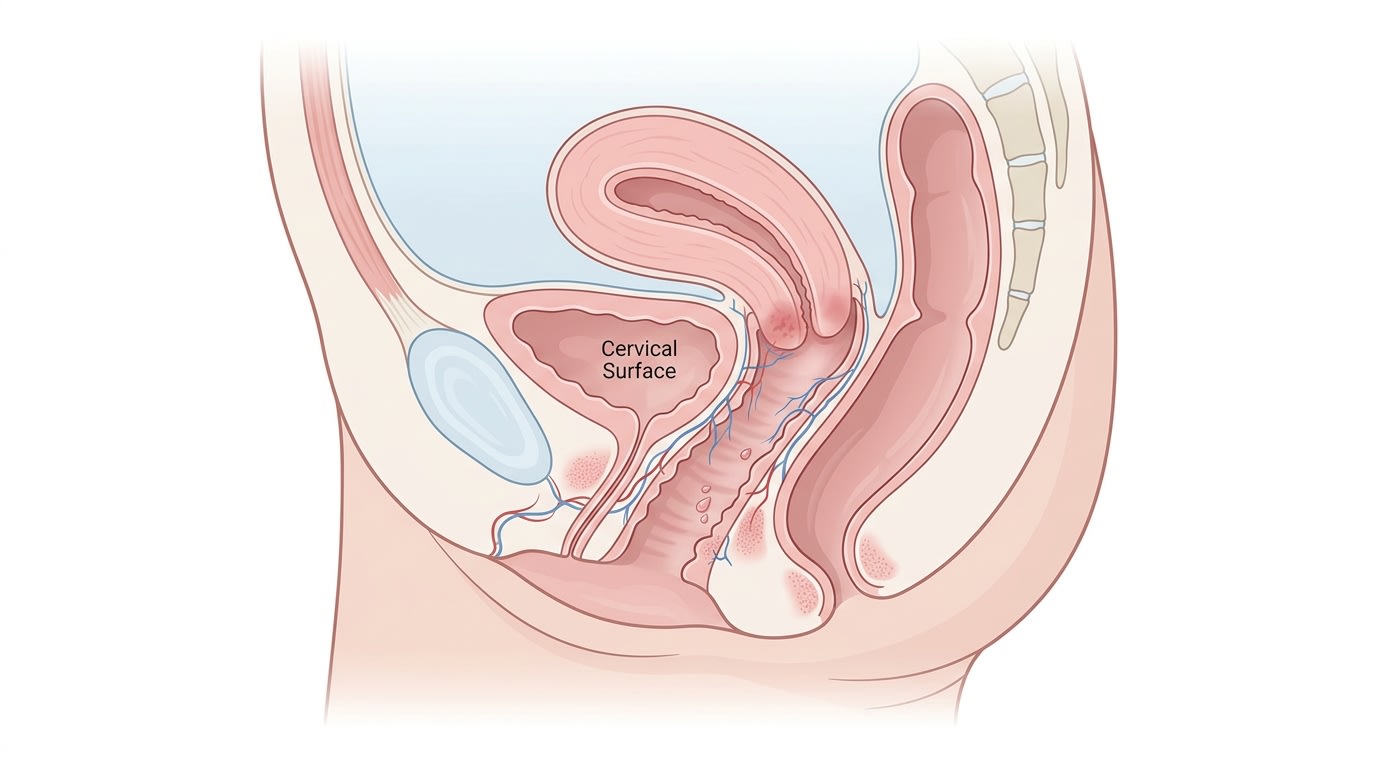
Postcoital bleeding refers to any vaginal bleeding or blood-tinged discharge that occurs during or after penetrative sexual activity, distinct from a typical menstrual cycle. The bleeding originates primarily from the delicate tissues lining the vaginal canal or the surface of the cervix (the neck of the womb that connects the uterus to the vagina).
The appearance and volume of blood can vary depending on where it comes from and what triggered it:
- Faint pink streaks or watery discharge: Often results from minor friction micro-tears mixing with natural vaginal moisture or seminal fluids.
- Bright red spotting: Points to fresh bleeding from irritated surface capillaries on the cervix or vaginal walls.
- Dark brown or rust-colored discharge: Represents older, oxidized blood that has been slowly expelled from the uterine cavity or dislodged from the cervical crypts.
Whether you are in need of urgent advice or a routine assessment, modern quick medical services make it straightforward to speak with a healthcare provider and clarify your symptoms without delays.
Common Causes of Bleeding After Sex
In most individuals, bleeding following sexual intercourse stems from temporary, easily managed conditions affecting the vaginal or cervical tissues.
1. Vaginal Dryness and Friction
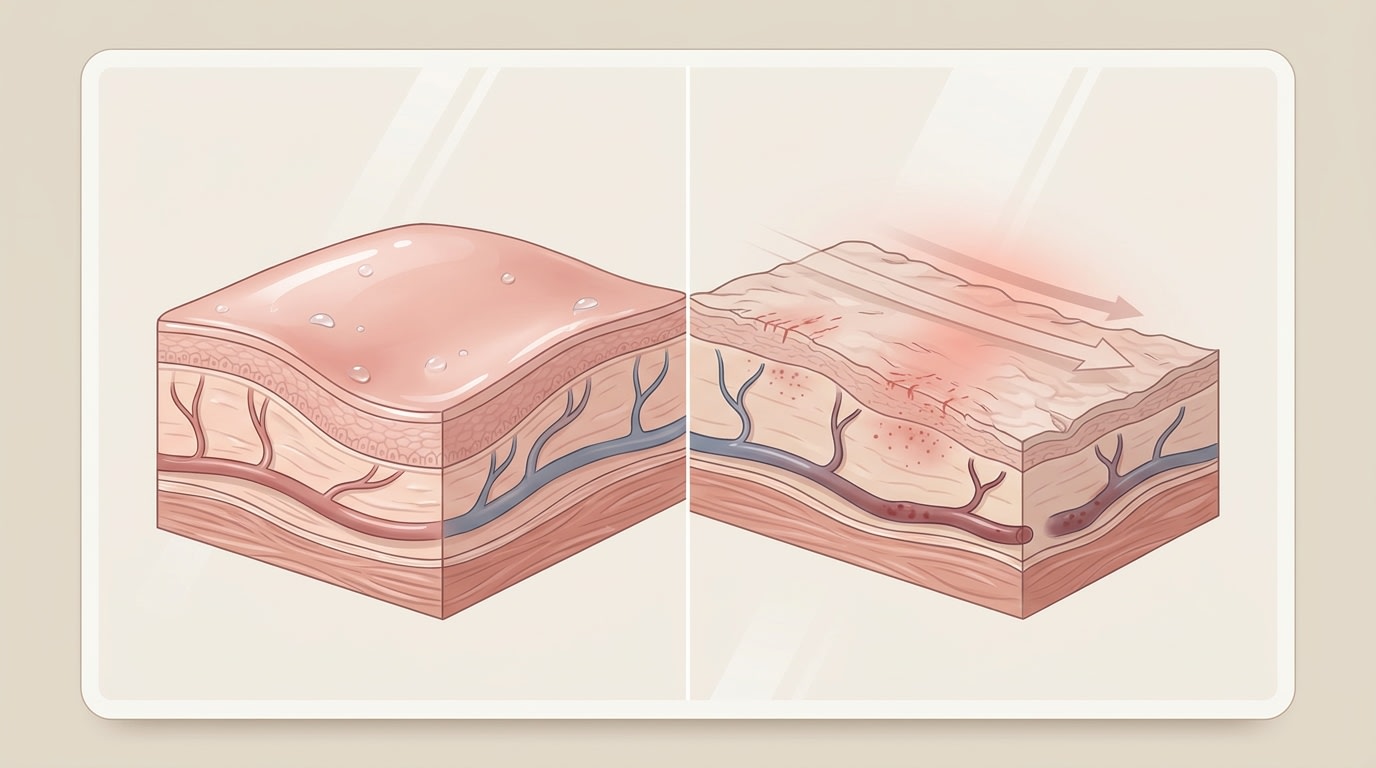
Adequate lubrication is essential for safeguarding delicate mucosal membranes during penetrative intercourse. When lubrication is insufficient, mechanical friction can lead to chafing, abrasions, and micro-tears.
Common contributors to dryness include:
- Rushed intimacy or insufficient foreplay
- Psychological stress, chronic fatigue, or anxiety, which often overlaps with challenges in mental health
- Medications such as antihistamines, decongestants, and certain antidepressants
- Systemic dehydration
- The use of scented body washes, bubble baths, or douches that strip the mucosal lining
These micro-tears typically cause a brief stinging sensation when urinating or wiping, paired with light spotting that usually subsides within 24 to 48 hours.
2. Hormonal Fluctuations and Tissue Thinning
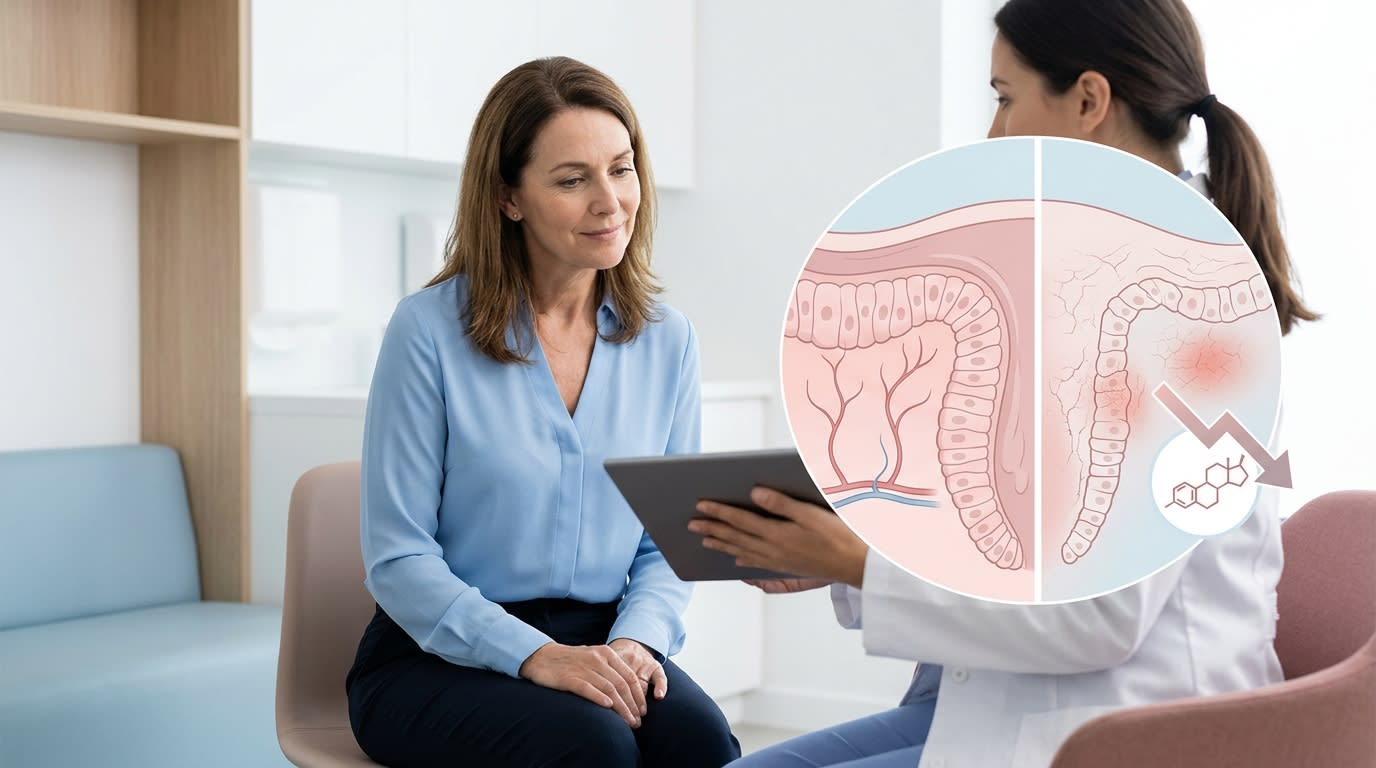
Estrogen plays a central role in maintaining the thickness, elasticity, and natural acidity of the vaginal lining. When estrogen levels decline, the vaginal walls become thin, pale, and fragile—a condition known clinically as vaginal atrophy or the genitourinary syndrome of menopause (GSM).
These hormonal shifts frequently arise during:
- Perimenopause and Menopause: Natural hormonal declines leave delicate mucosal tissues prone to tearing upon physical contact.
- Postpartum and Lactation: Elevated prolactin levels during breastfeeding suppress ovarian estrogen production, causing noticeable vaginal dryness.
- Hormonal Contraceptive Adjustments: Starting a new oral contraceptive, changing an intrauterine device (IUD), or taking emergency morning-after contraception can cause irregular spotting. Understanding can Plan B delay your period illustrates how strongly synthetic hormones influence uterine lining stability. Similarly, those taking menstrual postponement options like postpone tablets may encounter breakthrough spotting loosened by intercourse.
3. Cervical Ectropion (Cervical Erosion)
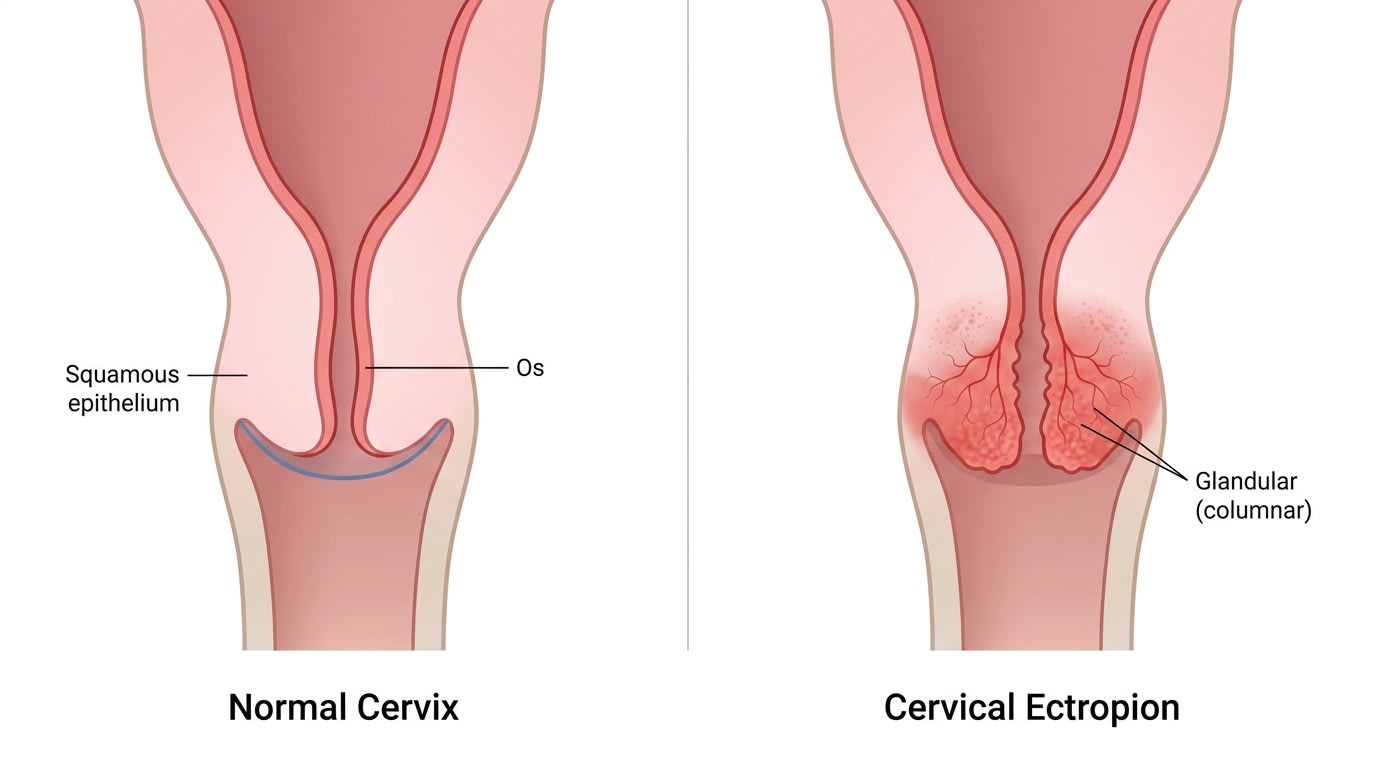
Cervical ectropion happens when the softer, glandular cells normally tucked inside the cervical canal extend onto the outer face of the cervix. These glandular cells are rich in fragile capillaries and are far more delicate than the stratified squamous cells that typically coat the outer cervix.
When brushed or bumped during penetrative sex, these exposed cells can bleed easily, producing painless, bright red spotting. Cervical ectropion is completely benign and common among younger women, pregnant individuals, and those using combined oral contraceptive pills.
4. Vaginal and Cervical Infections
Infections create localized inflammation, making delicate mucous membranes friable and prone to bleeding on contact.
- Sexually Transmitted Infections (STIs): Pathogens like chlamydia, gonorrhea, and trichomoniasis cause acute cervicitis (inflammation of the cervix), making cervical tissue tender and hyper-reactive.
- Vaginal Yeast Infections: An overgrowth of Candida fungus causes intense itching, burning, and tissue fissuring. While patients often worry about rash transmission and ask is eczema contagious, understanding that yeast thrives on internal microbial imbalance—as detailed in our guide on bacterial vaginosis vs yeast infection—helps pinpoint the exact antifungal care required.
- Bacterial Vaginosis (BV): A disruption in normal protective lactobacilli bacteria that leads to a thin discharge, an unpleasant odor, and surface mucosal irritation.
Less Common and Serious Causes
While common causes account for the majority of cases, clinicians conduct thorough investigations to rule out structural, systemic, or neoplastic conditions.
Cervical and Uterine Polyps
Polyps are small, stalk-like, non-cancerous growths that develop on the cervix (cervical polyps) or within the uterine cavity (endometrial polyps). Cervical polyps protrude into the vaginal canal and possess an extensive blood supply. When brushed during intercourse, they bleed readily. In almost all instances, polyps are benign and can be safely removed via a minor, in-clinic outpatient procedure.
Pelvic Inflammatory Disease (PID)
Pelvic Inflammatory Disease is an ascending infection that spreads from the lower genital tract through the cervix into the uterus, fallopian tubes, and ovaries. PID typically arises from untreated STIs.
Along with postcoital bleeding, PID frequently presents with:
- Dull or acute lower abdominal pain
- Deep pelvic discomfort during intercourse (dyspareunia)
- Abnormal, foul-smelling vaginal discharge
- Systemic signs like fever, chills, and malaise
PID requires immediate antibiotic intervention to prevent fallopian tube scarring and protect future reproductive wellness.
Endometriosis and Systemic Hormonal Conditions
Endometriosis occurs when tissue resembling the lining of the uterus implants outside the uterine cavity, triggering chronic inflammation and pelvic adhesions. Similarly, metabolic and hormonal conditions like Polycystic Ovary Syndrome can cause irregular endometrial shedding, a topic explored in our review on PCOS and weight management. These inflammatory conditions can cause cyclic pelvic pain, heavy periods, and contact spotting.
Cervical and Uterine Cancer
Statistically, cervical cancer represents only a small proportion of postcoital bleeding presentations. However, ruling out malignancy is a central objective of any medical assessment.
In cervical cancer, abnormal cellular changes disrupt healthy tissue architecture, leading to fragile vascular formations that rupture upon physical contact.
Red-flag symptoms requiring immediate clinical evaluation include:
- Persistent, recurring bleeding during or after intimacy
- Unexplained bleeding between periods (intermenstrual bleeding)
- Any vaginal bleeding occurring in postmenopausal individuals
- Watery, malodorous, or blood-streaked discharge
- Persistent lower back or deep pelvic pain
Attending routine cervical screening (smear tests and high-risk HPV testing) remains your most powerful tool for detecting and treating precancerous changes before they progress.
Comparing Postcoital Bleeding Scenarios
To help you assess what your symptoms might mean, review this comparison:
ScenarioAccompanying SymptomsLikely TriggersAction StepsOccasional Pink StreaksMild vaginal tightness, brief stingingFriction, low lubrication, or minor abrasionsUse high-grade lubricants; allow adequate foreplay.Painless, Bright Red BloodNo pelvic pain, occurs consistently after sexCervical ectropion or cervical polypBook a clinical pelvic evaluation and speculum check.Bleeding with Pelvic AcheDeep pelvic pain, abnormal discharge, odorSTI, cervicitis, or Pelvic Inflammatory DiseaseConsult a clinician promptly for diagnostic swabs.Bleeding After MenopauseVaginal dryness, burning, dyspareuniaVaginal atrophy or endometrial cellular changesEssential to undergo prompt evaluation to rule out pathology.Sudden Heavy FlowSevere cramping, dizziness, lightheadednessAcute laceration, active miscarriage, or ectopic pregnancySeek urgent emergency hospital care immediately.
How Doctors Diagnose the Cause
A structured clinical evaluation identifies the source of bleeding without unnecessary guesswork.
Detailed Clinical History (Symptoms, Cycle Timing, Contraceptives) │ ▼ Speculum & Pelvic Examination (Direct visualization of Vagina & Cervix) │ ▼ Diagnostic Swabs & Screening (PCR for STIs, Pap smear, HPV assay) │ ▼ Targeted Imaging & Referral (Pelvic Ultrasound, Colposcopy, Biopsy)
1. Clinical Consultation and History
During an initial GP consultation, your doctor will review:
- The frequency, duration, and color of the bleeding
- Whether you experience pain during deep penetration or upon wiping
- Your contraceptive methods, hormone therapy, and menstrual patterns
- The date and outcome of your most recent cervical screening test
- Any broader health conditions, from skin sensitivities to systemic markers like normal blood pressure by age
2. Physical and Speculum Examination
The clinician uses a sterile speculum to view the vaginal walls and cervix under direct light, checking for polyps, visible ectropion, friable tissue, or abnormal discharge. A gentle bimanual examination follows to evaluate for pelvic tenderness or enlarged structures.
3. Diagnostic Swabs and Laboratory Tests
- STI PCR Swabs: High-accuracy testing for chlamydia, gonorrhea, and trichomoniasis.
- Cervical Screening: Cytology and high-risk HPV testing.
- Pregnancy Test: To exclude early gestational complications like ectopic pregnancy.
4. Pelvic Ultrasound and Colposcopy
If the cervix appears unusual or smear results are abnormal, a colposcopy allows a specialist to view the cervix under magnification and take a biopsy if indicated. A transvaginal ultrasound may also be ordered to assess the endometrium and ovaries.
Evidence-Based Treatments
Because postcoital bleeding is a symptom rather than an independent condition, medical treatment targets the verified root cause:
Vaginal Atrophy / GSM ──► Topical vaginal estrogen, daily moisturizers Bacterial / STI Causes ──► Targeted oral or topical antibiotic therapy Cervical Polyps ──► In-clinic surgical avulsion (polypectomy) Symptomatic Ectropion ──► Chemical cautery (silver nitrate) or cryotherapy Hormonal Irregularities ──► Contraceptive adjustment or hormonal optimization Friction / Abrasions ──► Water- or silicone-based lubricants, foreplay
1. Restoring Moisture and Tissue Thickness
- Lubricants and Moisturizers: Water-based or high-grade silicone lubricants eliminate friction during sex. Vaginal moisturizers used two to three times a week maintain baseline hydration.
- Topical Estrogen: For postmenopausal women or breastfeeding mothers, low-dose vaginal estrogen (creams, pessaries, or rings) rebuilds mucosal thickness and normalizes pH with minimal systemic absorption.
2. Treating Infections
- Antibiotics: Targeted courses of oral or topical antibiotics resolve bacterial vaginosis, chlamydia, gonorrhea, or PID. Sexual partners must be treated simultaneously to prevent reinfection.
- Antifungals: Over-the-counter or prescription pessaries and creams clear fungal overgrowth.
3. Minor In-Clinic Procedures
- Polypectomy: Cervical polyps can usually be removed during a quick, virtually painless in-clinic procedure.
- Cauterization for Ectropion: If cervical ectropion causes persistent, troublesome bleeding, the fragile glandular tissue can be sealed using silver nitrate or thermal cautery under local application.
Prevention and Daily Intimate Care
Proactive adjustments reduce mechanical friction and protect mucosal tissues:
- Prioritize Foreplay: Arousal relaxes vaginal muscles, expands the vaginal canal, and activates natural lubrication.
- Choose Body-Safe Lubrication: Use fragrance-free, isotonic, pH-balanced lubricants. Steer clear of harsh additives, artificial dyes, or warming agents that cause contact irritation.
- Communicate Openly: If certain positions cause discomfort or spotting, adjust angles and penetration depth to avoid direct contact with a sensitive cervix.
- Avoid Harsh Hygiene Practices: Douching and fragranced feminine washes alter the acidic vaginal flora and irritate mucous membranes. Clean the external vulva with plain warm water.
- Stay Up-to-Date with Screenings: Routine cervical screenings remain your primary defense for detecting cervical cellular abnormalities early.
Frequently Asked Questions
Can rough sex cause bleeding even if I am healthy?
Yes. Energetic penetrative intimacy or inadequate lubrication can cause minor tears in the vaginal fornix or bruise the cervix. However, if bleeding occurs repeatedly during gentle intercourse, it should not be dismissed as simple friction and requires clinical evaluation.
Is bleeding after sex normal in early pregnancy?
While common due to increased blood supply to the cervix, any bleeding during pregnancy must be evaluated by a doctor or midwife to rule out complications like an ectopic pregnancy or low-lying placenta.
Should I stop having sex if I notice blood?
It is best to pause penetrative sex until the underlying cause is diagnosed and any irritated tissues or infections have fully resolved. Continuing intercourse on broken tissue can worsen inflammation and delay healing.
Can birth control pills cause postcoital bleeding?
Yes. Breakthrough spotting is a recognized side effect of hormonal contraception, particularly when starting a new prescription, missing pills, or using progestin-only options. Additionally, oral contraceptives can sometimes induce cervical ectropion, making the cervix prone to contact bleeding.
Taking the Next Step for Your Health
Bleeding after intimacy should never be ignored out of embarrassment or apprehension. Whether caused by low estrogen, a minor infection, or a benign polyp, modern medicine offers straightforward, highly effective solutions to restore your comfort and peace of mind.
If you are currently experiencing persistent spotting or intimate discomfort, you can consult directly with our registered doctors to get tailored guidance. Explore our complete range of medical services, review our transparent offers and packages, or request a fast prescription renewal if your regular medications are running low.
You can learn more about GP Carely and find answers to common questions in our clinical frequently asked questions. Whether you live near our hubs or need care across regional cities, support is always within reach. Feel free to browse our broader GP Carely health blog, contact GP Carely directly, or go ahead and book an appointment online today.
Medical Disclaimer: The information provided in this article is for educational and informational purposes only and does not constitute medical advice, diagnosis, or treatment. Always seek the advice of a qualified healthcare professional regarding any unexplained vaginal bleeding, persistent pelvic pain, or changes in your reproductive health.