
Last updated: 9 September 2026 | Medically reviewed by: The GPCarely Clinical Review Team | Reading level: General audience
Discovering unexpected blood during an intimate moment can be deeply unsettling. Whether it appears as faint pink spotting or noticeable bright red blood, experiencing bleeding during intercourse is an issue that causes understandable worry and discomfort.
While it is natural to feel anxious, it helps to know that this symptom is remarkably common. Known medically in many contexts alongside bleeding after sex as postcoital bleeding, bleeding that occurs during sexual activity stems from a wide variety of anatomical, hormonal, and physiological triggers. Most causes are completely benign and readily treatable once correctly identified.
Understanding why bleeding happens, learning what symptoms warrant immediate medical evaluation, and knowing how healthcare providers diagnose the root cause can help you navigate the situation with clarity and peace of mind.
What Does Bleeding During Intercourse Mean?
Bleeding during intercourse refers to any vaginal bleeding or blood-tinged discharge that occurs during penetrative sexual activity, distinct from a typical menstrual period.
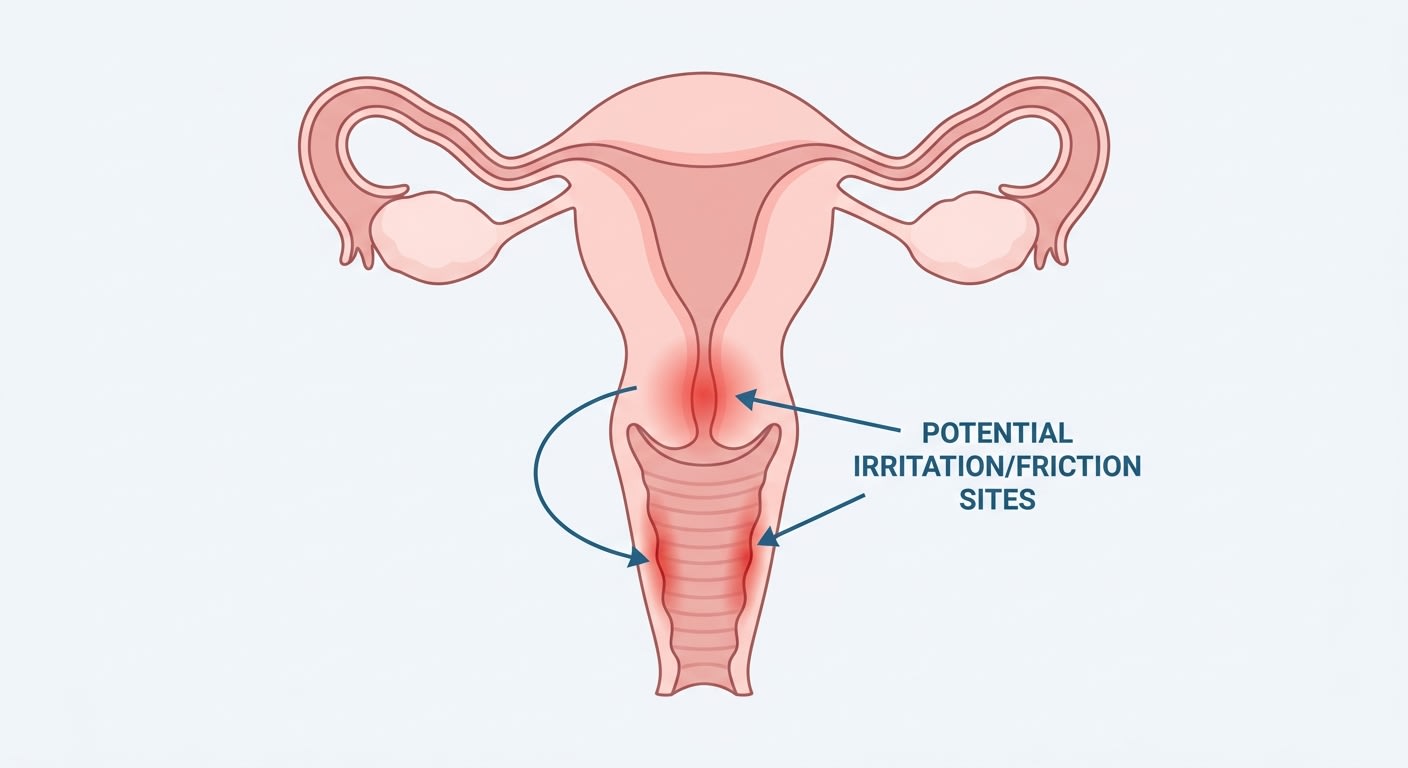
The female reproductive tract—specifically the vaginal canal and the cervix—is lined with delicate, vascular tissues that rely on moisture, elasticity, and balanced hormones to remain resilient against friction. When these tissues become irritated, fragile, inflamed, or structurally altered, the natural physical pressure of intercourse can cause tiny surface blood vessels to break and leak blood.
The blood might range in appearance:
- Light pink or watery: Often indicates a small amount of blood mixed with natural vaginal lubrication or seminal fluid.
- Bright red: Typically signifies fresh bleeding from a surface tear, irritated cervical blood vessel, or friction scrape.
- Dark brown or rust-colored: Usually represents older blood leaving the uterus or cervix, such as residual menstrual fluid dislodged during movement.
Understanding the difference between an isolated event and recurrent bleeding is key to finding the right solution.
Common Causes of Bleeding During Intercourse
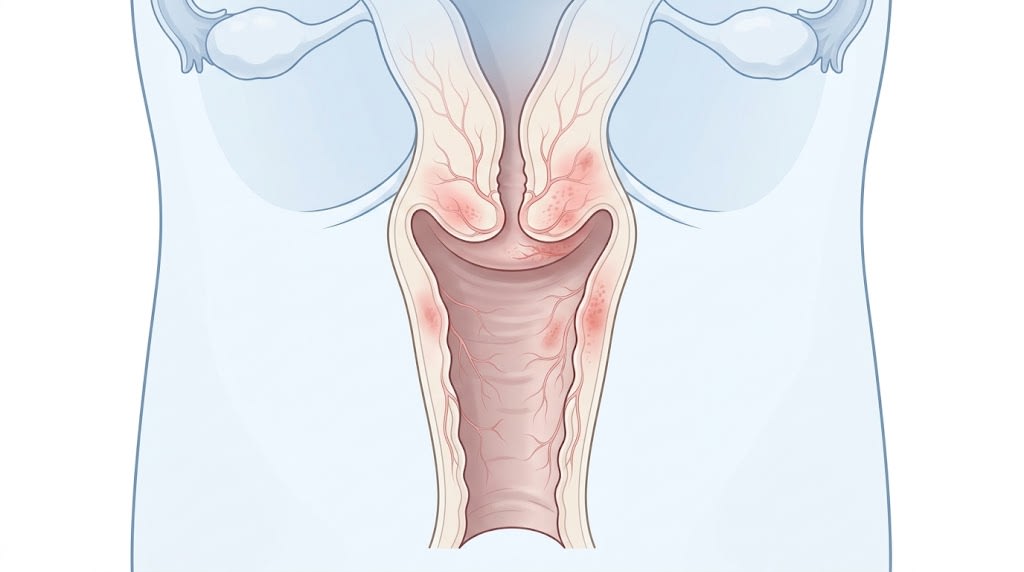
In the majority of individuals, bleeding during intimacy is linked to temporary, easily managed issues affecting the vaginal walls or cervical surface.
1. Vaginal Dryness and Friction
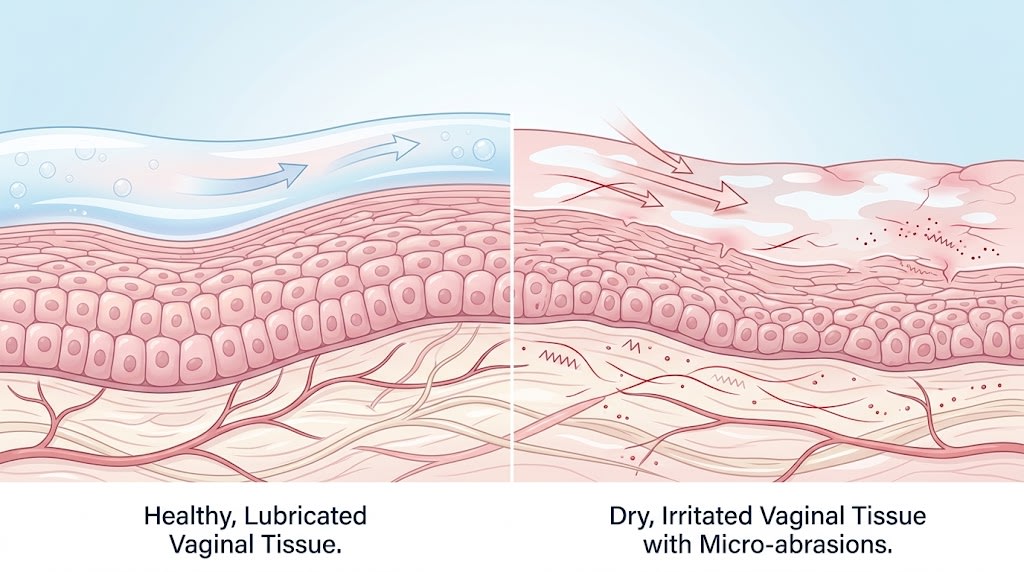
Insufficient natural lubrication is one of the most frequent culprits behind intimacy-related bleeding. When friction occurs against dry vaginal walls, micro-tears can develop in the delicate mucosal lining.
Factors contributing to dryness include:
- Rushed or insufficient foreplay
- Fatigue, stress, or psychological anxiety
- Use of drying body washes, scented soaps, or douches
- Antihistamines, allergy medications, and certain antidepressants
- Dehydration
When micro-abrasions occur, they can cause sharp stinging, soreness, and light spotting during or immediately following intimacy.
2. Hormonal Changes and Fluctuations
Estrogen is the primary hormone responsible for maintaining the thickness, elasticity, and natural moisture of the vaginal tissues. When estrogen levels decline or fluctuate, the vaginal lining thins and becomes fragile—a condition referred to as vaginal atrophy or the genitourinary syndrome of menopause (GSM).
Hormone-driven tissue changes frequently occur during:
- Perimenopause and Menopause: The natural decline in estrogen causes thinning tissues that bleed easily upon contact.
- Postpartum and Breastfeeding: High levels of prolactin during lactation temporarily suppress estrogen production, resulting in pronounced dryness.
- Hormonal Contraceptives: Starting a new birth control pill, switching to an intrauterine device (IUD), or taking emergency contraception can lead to breakthrough bleeding that is loosened during intercourse.
3. Cervical Ectropion (Cervical Erosion)
Cervical ectropion occurs when the softer, glandular cells normally located inside the cervical canal emerge onto the outer surface of the cervix. These glandular cells are far more delicate and rich in blood vessels than the resilient squamous cells that usually cover the outer cervix.
Because these exposed cells bleed easily when touched, physical contact during intercourse often triggers painless, bright red bleeding. Ectropion is completely harmless and very common among younger individuals, pregnant women, and those using estrogen-containing birth control pills.
4. Vaginal and Cervical Infections
Infection creates localized inflammation, causing delicate mucous membranes to swell and shed blood cells easily. Common culprits include:
- Vaginal yeast infections: An overgrowth of Candida fungus causes intense itching, burning, redness, and micro-cracks that easily bleed when stretched. Understanding the distinction in symptoms between bacterial vaginosis vs yeast infection can help clarify whether your irritation is fungal or bacterial.
- Bacterial Vaginosis (BV): An imbalance in normal vaginal flora that causes thin, watery discharge and tissue irritation.
- Sexually Transmitted Infections (STIs): Chlamydia, gonorrhea, and trichomoniasis frequently infect the cervix (cervicitis), making cervical tissue friable, inflamed, and prone to bleeding on contact.
- Genital Herpes: Active herpes lesions inside or around the vaginal opening can tear and bleed during friction.

Less Common and Serious Causes
While common causes account for most incidents, healthcare providers always evaluate for underlying structural or systemic conditions to ensure nothing serious is overlooked.
Cervical and Uterine Polyps
Polyps are small, benign, stalk-like growths that develop on the cervix (cervical polyps) or within the uterine cavity (endometrial polyps). Cervical polyps have an extensive blood supply and extend directly into the path of penetration. When bumped during intercourse, they bleed readily. Though polyps can be alarming, the vast majority are non-cancerous and can be safely removed in a minor clinical procedure.
Pelvic Inflammatory Disease (PID)
Pelvic Inflammatory Disease is an infection of the upper reproductive tract, including the uterus, fallopian tubes, and ovaries. PID typically develops when untreated STIs migrate upward from the vagina. Along with bleeding during or after sex, PID frequently causes dull or sharp pelvic pain, deep pain during thrusting (dyspareunia), unusual foul-smelling discharge, and fever.
Endometriosis and Adenomyosis
Endometriosis occurs when tissue similar to the lining of the uterus grows outside the uterus—such as on the ovaries, fallopian tubes, or pelvic ligaments. Adenomyosis occurs when this tissue grows into the muscular wall of the uterus. Both conditions cause significant pelvic inflammation, chronic pain, heavy periods, and bleeding or severe discomfort during intercourse.
Pregnancy-Related Causes
Spotting during intimacy in early pregnancy is relatively common due to increased blood flow and softening of the cervix. However, bleeding at any stage of pregnancy should never be ignored. Potential pregnancy-related causes include:
- Implantation bleeding: Very light spotting in the earliest weeks of pregnancy.
- Cervical sensitivity: Increased blood vessels near the cervix surface make contact-bleeding common.
- Ectopic pregnancy: A serious condition where an embryo implants outside the uterus; usually accompanied by sharp, one-sided pelvic pain.
- Placenta previa or placental abruption: Complications in later stages of pregnancy that require immediate emergency obstetric care.
Cervical Cancer and Warning Signs
Although cervical cancer is statistically one of the least common causes of intercourse-related bleeding, it is the most critical to rule out. Cancerous and precancerous lesions on the cervix disrupt normal tissue integrity, resulting in fragile, irregular blood vessels that bleed when disturbed.
Warning signs that warrant urgent investigation include:
- Persistent, unexplained bleeding during or after intercourse
- Unexplained bleeding between regular menstrual periods
- Any vaginal bleeding after reaching menopause
- Watery, foul-smelling, or blood-streaked discharge
- Persistent lower back or pelvic pain unrelated to your cycle
Regular cervical screening (Pap smears and HPV testing) remains the most effective defense against cervical cancer, identifying abnormal cellular changes long before they develop into malignancy.
When Is Bleeding Considered Normal vs. Concerning?
Not every trace of blood signals an emergency. Distinguishing between expected, benign occurrences and symptoms that require medical assessment helps determine the appropriate next step.
SituationTypical CharacteristicLikely CauseWhat to DoFirst Intercourse / StretchingLight spotting, brief mild stingingNormal stretching or minor tearing of the hymenRest and allow tissues to heal; use lubrication.Beginning / End of PeriodBrownish, rust-colored spottingResidual menstrual blood dislodged by motionMonitor; usually resolves within a day or two.Occasional DrynessMinimal pink streaks, resolves within hoursInsufficient lubrication or minor frictionIntroduce water- or silicone-based lubricants.Recurrent BleedingBleeding happens repeatedly across several encountersCervical ectropion, polyps, or underlying infectionSchedule a professional clinical evaluation.Bleeding with Pain / OdorSpotting paired with pelvic ache or abnormal dischargeSTI, vaginitis, or Pelvic Inflammatory DiseaseConsult a healthcare provider for swabs and treatment.Postmenopausal BleedingAny bleeding occurring >12 months after your final periodVaginal atrophy, polyps, endometrial hyperplasia, or malignancySeek prompt medical evaluation.
When to See a Doctor
You should make an appointment with a healthcare professional if you experience bleeding during intercourse that happens more than once, is accompanied by unexplained pelvic discomfort, or causes you ongoing worry.
Navigating reproductive concerns can feel personal and sensitive, but doctors evaluate these conditions daily. You can book an appointment through women's health services to receive dedicated clinical support tailored to your reproductive wellbeing.
Emergency Warning Signs
Certain symptoms demand immediate emergency care rather than a routine check-up. Seek urgent medical attention if you experience:
- Heavy, uncontrolled bleeding (soaking through a maxi pad or tampon in an hour or less)
- Severe, sudden, or sharp pelvic or abdominal pain
- Dizziness, lightheadedness, weakness, or fainting
- High fever or chills accompanied by unusual discharge
- Any moderate-to-heavy bleeding during confirmed or suspected pregnancy
How Doctors Diagnose the Cause
A doctor will begin by taking a thorough medical history and asking practical questions regarding your symptoms. To help pinpoint the issue, they may ask:
- How often does the bleeding occur, and how heavy is it?
- What color is the blood (bright red, pink, dark brown)?
- Does intercourse feel painful, either at the vaginal entrance or deep within the pelvis?
- When was your last menstrual period, and are your cycles regular?
- What form of birth control or hormone therapy do you use?
- When did you last have a cervical screening (Pap smear) or STI check?
Diagnostic Tests and Examinations
Depending on your history, a doctor may recommend one or more targeted assessments:
- Pelvic and Speculum Examination: A physical examination using a speculum allows the provider to directly inspect the vaginal walls and cervix for redness, abrasions, discharge, polyps, or ectropion.
- Swabs for Infections: Swab samples of vaginal or cervical fluid are taken to test for common vaginal infections or STIs like chlamydia and gonorrhea.
- Cervical Screening (Pap Smear and HPV Testing): Evaluates cervical cells for precancerous changes or the presence of high-risk strains of human papillomavirus (HPV).
- Pelvic Ultrasound: An abdominal or transvaginal ultrasound creates images of your ovaries, uterus, and endometrium to detect structural issues like fibroids, polyps, or adenomyosis.
- Colposcopy: If a Pap test shows abnormal cells or if the cervix appears irregular, a specialist uses a lighted magnifying instrument (a colposcope) to view the cervix closely and take a small biopsy if necessary.
- Endometrial Biopsy: In postmenopausal individuals or those with abnormal uterine bleeding, a small sample of the uterine lining may be evaluated in a laboratory.
If you are unsure where to begin, scheduling an initial GP consultation provides an accessible starting point to review your history, rule out immediate risks, and coordinate diagnostic swabs or referrals.
Treatment Options Depending on the Cause
Because bleeding during intimacy is a symptom rather than a standalone disease, treatment depends entirely on resolving the underlying issue.
Diagnostic Finding ───────► Targeted Clinical Solution─────────────── Vaginal Atrophy / GSM ──► Localized vaginal estrogen or moisturizers Infections & STIs ──► Targeted antibiotics or antifungal courses Cervical Polyps ──► Minor in-clinic removal (polypectomy) Symptomatic Ectropion ──► Silver nitrate or thermal cauterization Endometriosis / Fibroids──► Hormonal therapy, pain management, or surgery Friction / Dryness ──► High-grade lubricants and extended foreplay
Addressing Dryness and Atrophy
- Lubricants and Moisturizers: Over-the-counter water-based or silicone-based lubricants reduce friction during sex. Unlike lubricants used during intimacy, vaginal moisturizers are applied several times a week to preserve baseline moisture.
- Topical Estrogen: For individuals experiencing menopause-related thinning, low-dose vaginal estrogen (delivered via creams, pessaries, or a flexible ring) restores elasticity and blood flow with minimal systemic absorption.
Treating Infections
- Antifungals: Over-the-counter or prescription antifungal pessaries and creams clear up yeast infections.
- Antibiotics: Specific oral or topical antibiotics are prescribed to resolve bacterial vaginosis, trichomoniasis, chlamydia, or gonorrhea. When an STI is diagnosed, partners must also complete treatment to prevent reinfection.
Managing Structural and Cervical Causes
- Polypectomy: Cervical polyps can usually be removed quickly and painlessly in an outpatient clinic using gentle twisting or a small snare.
- Cauterization for Ectropion: If cervical ectropion causes persistent bleeding that interferes with daily life, a doctor can treat the delicate glandular cells with silver nitrate or cryotherapy to seal the surface vessels.
- Specialist Gynecological Care: Conditions like endometriosis, substantial fibroids, or abnormal cervical dysplasia require personalized long-term management plans overseen by a gynecologist.
Prevention and Practical Self-Care
While certain medical causes require clinical intervention, practical lifestyle adjustments can significantly reduce tissue irritation and physical trauma:
- Prioritize Foreplay: Giving your body ample time to become naturally aroused allows the vaginal walls to lubricate, expand, and relax, decreasing friction.
- Choose Quality Lubricants: Keep a generous supply of pH-balanced, fragrance-free lubricant on hand. Silicone lubricants tend to last longer and provide higher glide than water-based options, though they should not be used with silicone toys.
- Avoid Harsh Hygiene Products: Avoid douching, bubble baths, fragranced feminine washes, and scented wipes. These strip away protective natural flora and dry out mucosal surfaces.
- Communicate Comfort: Talk openly with your partner about positions or pacing that feel comfortable versus those that cause pressure or friction against sensitive areas.
- Stay Up-to-Date with Screenings: Routine cervical screening and regular STI screenings protect your overall sexual health and catch irregularities early.
Exploring resources on the GP Carely health blog can also provide helpful context on everyday sexual health, hormonal shifts, and preventative wellness.
Frequently Asked Questions
Can rough sex cause bleeding?
Yes. Vigorous penetrative sex, deep thrusting, or insufficient lubrication can cause micro-tears in the vaginal mucosa or bruise the cervix, leading to light spotting. However, if bleeding occurs consistently after standard or gentle intercourse, it should not be dismissed as simple friction and warrants an evaluation.
Is bleeding during intercourse normal during pregnancy?
While relatively common due to increased cervical blood supply, any bleeding during pregnancy must be evaluated by a midwife or obstetrician to rule out complications like cervical infections, low-lying placenta, or pre-term labor.
Does bleeding during sex always indicate an STI?
No. While common STIs like chlamydia, gonorrhea, and trichomoniasis cause cervical inflammation that bleeds easily, non-infectious factors like hormonal dryness, cervical ectropion, and polyps are just as frequently responsible.
Can birth control pills cause bleeding during sex?
Yes. Hormonal birth control can cause breakthrough spotting, particularly when starting a new prescription, missing pills, or using progestin-only methods. Additionally, the synthetic hormones in birth control pills can sometimes promote cervical ectropion, making the surface of the cervix more delicate.
Should I stop having sex if I notice blood?
It is advisable to pause sexual intercourse until the cause is assessed, particularly if the bleeding is accompanied by pain, itching, or an unusual discharge. Continuing intercourse on irritated or torn tissues can worsen inflammation and increase susceptibility to secondary infections.
Taking the Next Step for Your Health
Experiencing bleeding during intimacy is a symptom that deserves attention, but it is rarely a reason to panic. By paying attention to what your body is experiencing and discussing it openly with a qualified clinician, you can pinpoint the cause and find an effective, lasting resolution.
If you are looking for fast, confidential support, you can access quick medical services to review your symptoms. Take a moment to learn more about GP Carely and read through our clinical frequently asked questions to discover how accessible modern healthcare can be. When you are ready to speak directly with an experienced professional, our doctors are here to support you. You can easily contact GP Carely or choose to book an appointment online today.
Medical Disclaimer: The information provided in this article is for educational and informational purposes only and does not constitute medical advice, diagnosis, or treatment. Always seek the advice of a qualified healthcare professional with any questions you may have regarding a medical condition. Never disregard professional medical advice or delay seeking care because of something you have read here.