
Last updated: 14 September 2026 | Medically reviewed by: The GPCarely Clinical Review Team | Reading level: General audience
Noticing blood in the middle of an intimate moment is an experience that brings everything to an abrupt halt. Whether it shows up as faint pink moisture or noticeable red spotting, experiencing unexpected sex bleeding during intercourse triggers immediate worry, embarrassment, and confusion.
While your mind might instantly jump to the worst-case scenario, it helps to understand that this symptom is remarkably common. Known across primary clinics and specialized women's health services as contact or coital bleeding, it stems from a wide variety of physiological, structural, and hormonal factors.
Fortunately, the vast majority of causes are completely non-malignant and straightforward to address once properly evaluated.
Understanding why bleeding occurs mid-intimacy, learning how it compares to broader patterns of bleeding after sex, and knowing what diagnostic steps clinicians take can help you regain confidence, comfort, and peace of mind.
What Does Bleeding During Sex Mean?
Bleeding during sexual activity refers to any non-menstrual spotting, frank blood, or blood-streaked discharge that appears while penetrative sex is actively occurring.
The female reproductive tract—particularly the vaginal canal and the cervix—is lined with delicate mucosal tissues rich in microscopic capillaries. When these tissues lack adequate lubrication, become inflamed by pathogens, or experience structural changes, the natural friction and mechanical movement of intercourse can cause surface blood vessels to rupture.
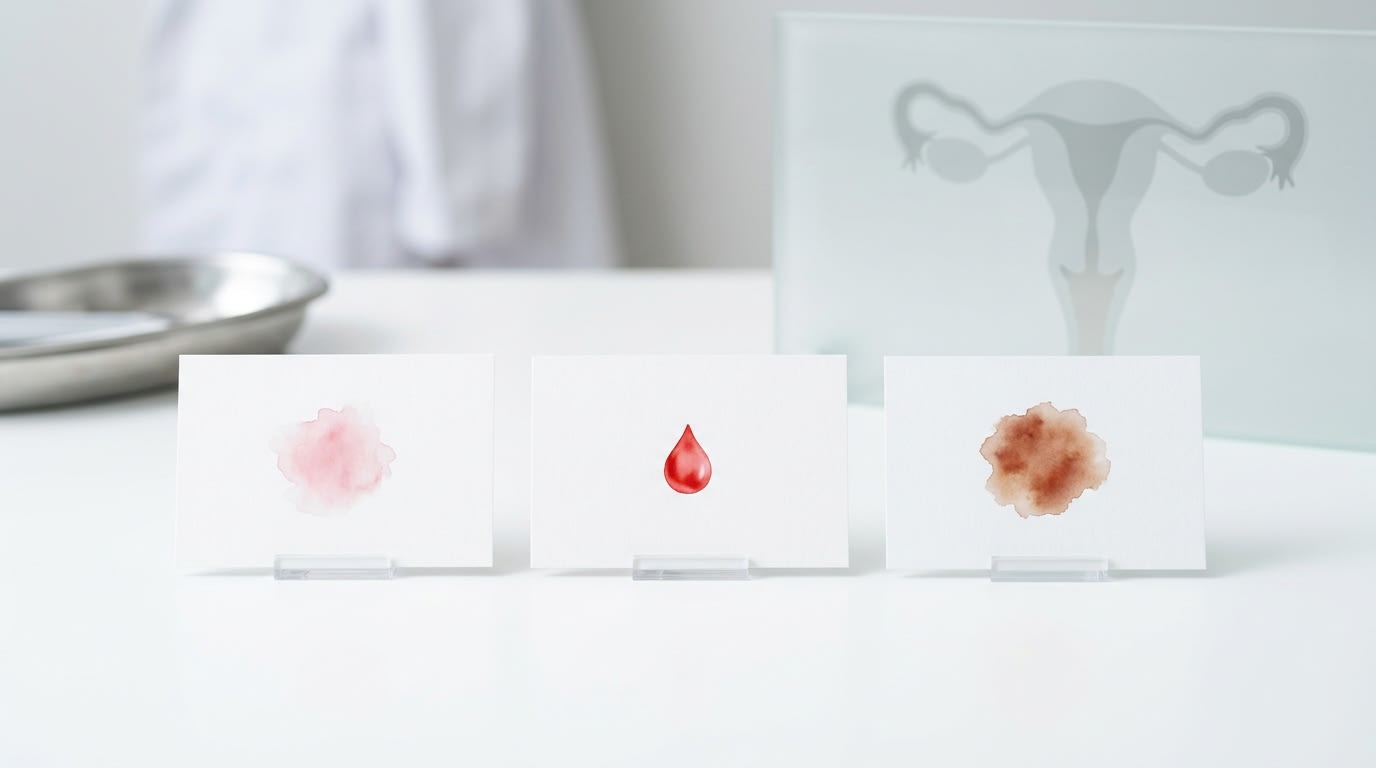
The blood can present in several ways:
Faint pink, watery spotting: Blood mixing directly with natural arousal lubrication or seminal fluids.
Fresh bright red blood: Active bleeding from surface micro-abrasions, a torn vaginal wall, or an irritated cervix.
Brownish, rust-colored streaks: Older uterine or cervical blood dislodged by mechanical thrusting.
If you ever need fast clinical guidance or a same-day review of new symptoms, modern quick medical services provide rapid access to clinical professionals without the traditional clinic waiting times.

Common Causes of Bleeding During Intimacy
In most individuals, mid-intercourse bleeding is tied to everyday physical or hormonal factors that temporarily weaken mucosal defenses.
1. Friction and Insufficient Lubrication
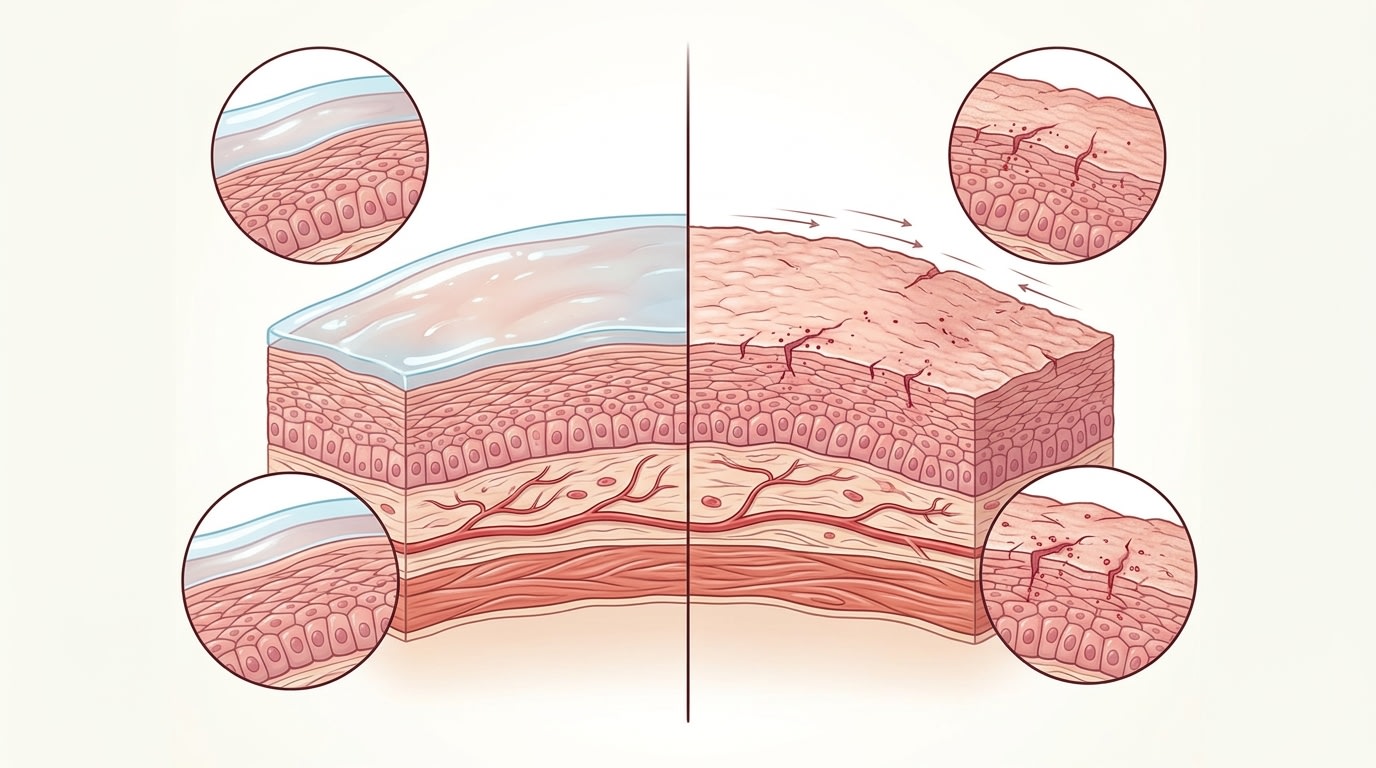
Adequate lubrication creates a protective glide that shields delicate vaginal mucosa. When lubrication is compromised, physical friction against dry tissue causes micro-lacerations and surface abrasions.
Friction-induced bleeding is often exacerbated by:
Rushed intimacy or inadequate physical arousal
Situational anxiety, emotional fatigue, or ongoing challenges in mental health that inhibit natural lubrication responses
Decongestants, antihistamines, and certain prescription medications
Harsh perfumed soaps, bubble baths, or feminine hygiene washes that strip natural lipids
These minor friction abrasions typically produce a brief stinging sensation during intimacy or when urinating afterward, usually clearing up within 24 to 48 hours.
2. Hormonal Shifts and Tissue Fragility
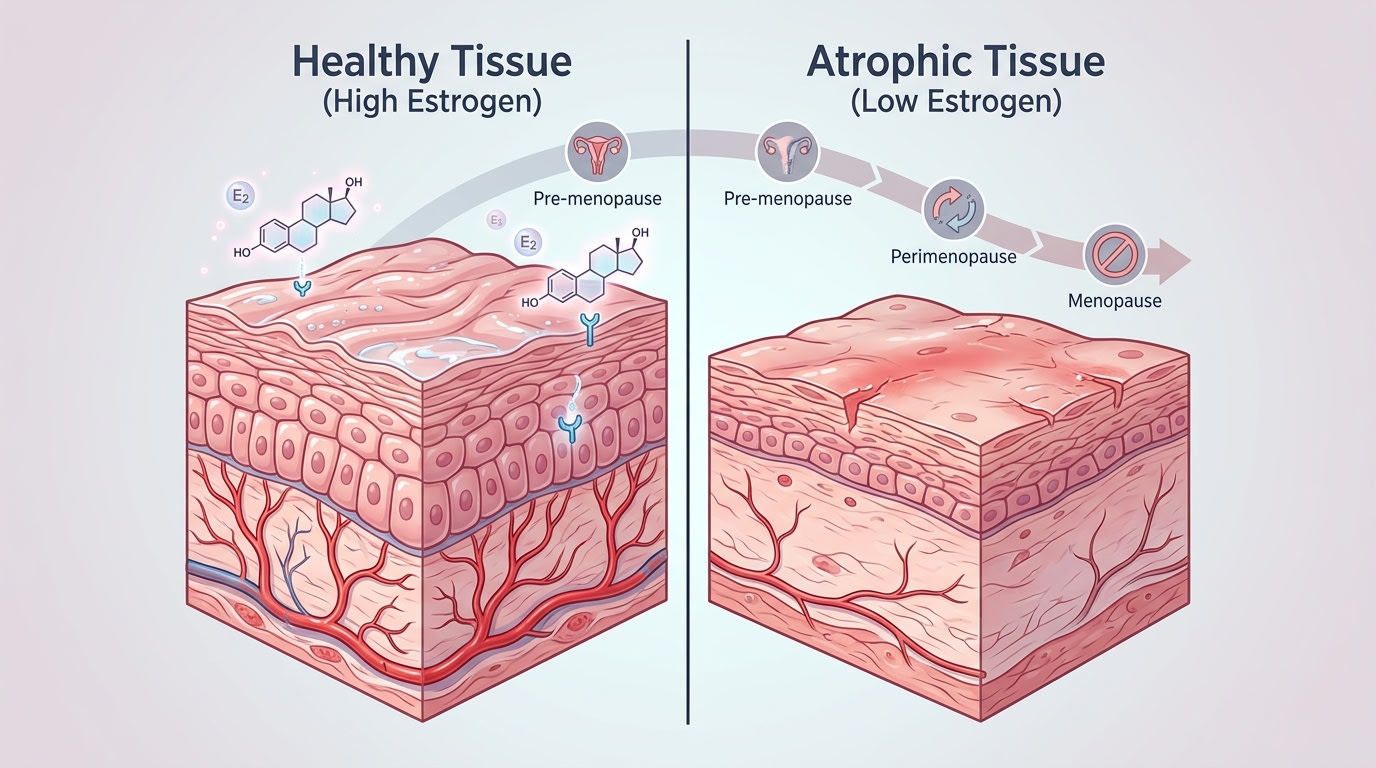
Estrogen is the primary hormone responsible for maintaining the thickness, elasticity, and hydration of the vaginal walls. When estrogen levels decline or fluctuate, the mucosal lining thins and tears easily—a condition known as vaginal atrophy or the genitourinary syndrome of menopause (GSM).
Common hormonal transition periods include:
Perimenopause and Menopause: Declining estrogen levels leave vaginal walls thin, dry, and prone to contact bleeding.
Postpartum and Breastfeeding: Elevated prolactin suppresses ovarian estrogen, causing temporary but severe vaginal dryness.
Hormonal Contraceptive Adjustments: Starting a new birth control pill or taking emergency contraception can destabilize the endometrium. As explored in our guide on can Plan B delay your period, sudden surges of synthetic hormones often cause irregular spotting that is easily dislodged during intercourse. Similarly, cycle management drugs like postpone tablets can sometimes trigger breakthrough bleeding.
3. Cervical Ectropion (Cervical Erosion)
Cervical ectropion occurs when the softer, glandular cells lining the inside of the cervical canal extend onto the outer face of the cervix. These glandular cells are far more vascular and delicate than the stratified squamous cells that normally coat the outer cervix.
Because these cells bleed readily upon contact, direct penile or toy penetration bumping against the cervix causes painless, bright red bleeding mid-intercourse. Ectropion is benign and exceptionally common among young women, pregnant individuals, and those taking combined oral contraceptives.
4. Vaginal and Cervical Infections
Infection triggers acute inflammatory cascades, causing local blood vessels to dilate and the mucosal lining to become friable (easily damaged).
Sexually Transmitted Infections (STIs): Chlamydia, gonorrhea, and trichomoniasis cause cervicitis (acute cervical inflammation), making the cervix swollen and prone to contact bleeding.
Vaginal Yeast Infections: An overgrowth of Candida fungus causes intense pruritus, swelling, and microscopic fissures. While people often worry about skin transmission and ask is eczema contagious when experiencing barrier irritation, understanding that fungal overgrowth is an internal balance issue—clarified in our breakdown of bacterial vaginosis vs yeast infection—ensures you seek the correct targeted antifungal care.
Bacterial Vaginosis (BV): A microbial disruption where anaerobic bacteria outgrow healthy lactobacilli, causing surface irritation, discharge, and tissue sensitivity.
Less Common and Serious Causes
While common triggers account for the vast majority of cases, clinicians conduct thorough investigations to rule out deeper structural, systemic, or neoplastic conditions.
Cervical and Endometrial Polyps
Polyps are small, benign, vascular growths that develop on the cervix or inside the uterine cavity. Cervical polyps protrude directly into the vaginal canal and possess a rich capillary network. When bumped during intercourse, they bleed immediately. In almost all instances, polyps are non-cancerous and can be safely removed during a simple in-clinic procedure.
Pelvic Inflammatory Disease (PID)
Pelvic Inflammatory Disease is an ascending bacterial infection that spreads from the vagina into the uterus, fallopian tubes, and ovaries. PID typically represents an untreated STI complication.
In addition to mid-sex bleeding, PID usually presents with:
Dull, aching, or sharp lower abdominal pain
Deep pelvic dyspareunia (pain during deep thrusting)
Unpleasant, abnormal vaginal discharge
Fever, chills, and generalized fatigue
PID requires prompt prescription antibiotics to prevent fallopian tube scarring and protect reproductive health.
Endometriosis and Systemic Hormonal Disorders
Endometriosis occurs when tissue resembling the uterine lining implants across pelvic organs, causing chronic inflammation, pelvic adhesions, and contact bleeding. Similarly, metabolic conditions that disrupt ovulation and cycle regularity—such as those detailed in our clinical review on PCOS weight loss—can cause unpredictable endometrial shedding that appears during intercourse.
Cervical and Uterine Cancer
Statistically, cervical cancer represents only a small fraction of all contact-bleeding presentations. However, ruling it out is the primary clinical objective of any evaluation.
In cervical malignancy, irregular, fragile neoplastic blood vessels rupture easily upon contact.
Red-flag symptoms that require urgent medical evaluation include:
Persistent, recurring bleeding during or immediately following sex
Unexplained bleeding between periods (intermenstrual bleeding)
Any vaginal bleeding occurring after menopause
Watery, pink, or foul-smelling discharge
Deep pelvic, lower back, or unexplained leg pain
Attending routine cervical screening (smear tests and high-risk HPV assays) is the most reliable method for detecting and treating precancerous changes before they develop into invasive cancer.
Mid-Sex Bleeding Scenarios: What Your Symptoms Mean
To help you understand your symptoms, review this comparative breakdown:
Clinical ScenarioAccompanying SymptomsMost Likely CulpritRecommended ActionOccasional Light Pink StreaksMild vaginal tightness, minor stingingInsufficient lubrication, friction tearsUse high-quality lubricant; extend foreplay.Painless, Bright Red SpottingNo pain, happens consistently during thrustingCervical ectropion or cervical polypBook an examination with a GP or gynecologist.Bleeding with Deep Pelvic PainFoul-smelling discharge, pelvic acheSTI, cervicitis, or PIDSeek prompt clinical swab testing and antibiotic care.Bleeding After MenopauseVaginal dryness, burning, pain with entryVaginal atrophy (GSM) or endometrial changesEssential to see a doctor promptly to rule out pathology.Sudden Heavy Flow with CrampsSevere pain, dizziness, weaknessDeep vaginal tear, active miscarriage, or ectopic pregnancySeek immediate emergency medical attention.How Doctors Diagnose the Cause
A thorough, methodical evaluation ensures the exact origin of bleeding is identified without unnecessary anxiety.
Comprehensive Clinical History (Symptom timing, cycle, contraception) │ ▼ Speculum & Bimanual Exam (Direct inspection of Cervix, Vagina & Uterus) │ ▼ Diagnostic Swabs & Screening (STI PCR panels, High-Risk HPV, Pap Smear) │ ▼ Targeted Imaging & Referral (Pelvic Ultrasound, Colposcopy, Biopsy)
1. Clinical History and Symptom Review
During an initial GP consultation, your doctor will ask:
The frequency, duration, and volume of the bleeding
Whether you feel pain at the vaginal opening or deep within the pelvis
Your contraceptive methods, hormone therapy, and menstrual patterns
The date and outcome of your most recent cervical screening
Any broader systemic signs, from unexplained fatigue to baseline indicators like normal blood pressure by age
2. Speculum and Bimanual Examination
The clinician uses a sterile speculum to gently inspect the vaginal walls and cervix under direct illumination, checking for ectropion, polyps, friable tissue, or abnormal discharge. A bimanual examination follows to assess for cervical motion tenderness or uterine enlargement.
3. Diagnostic Swabs and Laboratory Tests
STI PCR Swabs: Highly sensitive swabs for chlamydia, gonorrhea, and trichomoniasis.
Cervical Screening: Cytology and high-risk HPV testing.
Pregnancy Test: To exclude early pregnancy complications, such as an ectopic pregnancy.
4. Pelvic Ultrasound and Colposcopy
If the cervix appears irregular or smear results show cellular changes, a colposcopy allows a specialist to view the cervix under magnification and take targeted biopsies. A transvaginal ultrasound may also be ordered to evaluate the uterine lining, myometrium, and ovaries.
Evidence-Based Treatment Options
Because bleeding during sex is a clinical symptom rather than a standalone illness, treatment focuses on resolving the specific underlying cause:
Diagnostic Finding ───────► Targeted Clinical Solution ───────────────────────────────────────────────────────────────── Vaginal Atrophy / GSM ──► Topical vaginal estrogen, daily moisturizers Bacterial / STI Causes ──► Targeted oral or topical antibiotic therapy Cervical Polyps ──► In-clinic surgical avulsion (polypectomy) Symptomatic Ectropion ──► Chemical cautery (silver nitrate) or cryotherapy Hormonal Irregularities ──► Contraceptive adjustment or hormonal optimization Friction / Abrasions ──► Water- or silicone-based lubricants, foreplay
1. Restoring Mucosal Health and Hydration
Lubricants and Moisturizers: Water-based or high-grade silicone lubricants reduce friction during sex. Vaginal moisturizers used several times a week maintain baseline mucosal elasticity.
Topical Estrogen: For postmenopausal individuals or breastfeeding mothers, low-dose vaginal estrogen (creams, pessaries, or rings) rebuilds mucosal thickness and normalizes vaginal pH with minimal systemic absorption.
2. Treating Infections
Antibiotics: Targeted courses of oral or topical antibiotics resolve bacterial vaginosis, chlamydia, gonorrhea, or PID. Sexual partners must be treated simultaneously to prevent reinfection.
Antifungals: Over-the-counter or prescription pessaries and creams clear fungal yeast overgrowth.
3. Minor Clinical Procedures
Polypectomy: Cervical polyps can usually be removed during a quick, virtually painless in-clinic procedure.
Cauterization for Ectropion: If cervical ectropion causes persistent, bothersome bleeding, the fragile glandular tissue can be sealed using silver nitrate or thermal cautery under local application.
Practical Self-Care and Prevention
Incorporating proactive intimate care habits protects sensitive mucosal tissues from repetitive trauma:
Prioritize Foreplay: Giving your body ample time to become naturally aroused expands the vaginal canal, relaxes pelvic floor muscles, and stimulates natural lubrication.
Choose Body-Safe Lubricants: Use fragrance-free, isotonic, pH-balanced lubricants. Avoid products with parabens, synthetic fragrances, warming agents, or petroleum jelly, which irritate delicate mucous membranes.
Communicate with Your Partner: If deep penetration causes discomfort or spots of blood, adjust angles and depth of thrusting to prevent repetitive impact against a sensitive cervix.
Eliminate Harsh Hygiene Habits: Douching, feminine deodorants, and heavily perfumed washes strip away the protective acidic microbiome. Clean the external vulva with plain warm water.
Stay Up-to-Date with Screenings: Routine cervical screening remains your strongest defense against cervical cellular changes.
Frequently Asked Questions
Can rough sex cause bleeding even if there is no medical condition?
Yes. Deep, vigorous thrusting or rapid penetration without adequate lubrication can cause mechanical trauma, such as micro-lacerations in the vaginal fornix or bruising to the cervix. However, if bleeding occurs consistently during gentle intimacy, it should not be dismissed as simple friction and requires clinical evaluation.
Is bleeding during intercourse normal during pregnancy?
While relatively common due to increased blood supply to the cervix, any bleeding during pregnancy must be evaluated by a healthcare professional or midwife to rule out complications like an ectopic pregnancy, low-lying placenta, or preterm cervical changes.
Should I pause sexual activity if I notice blood?
Yes, it is sensible to pause penetrative sex until the cause has been identified and any irritated tissues or infections have fully resolved. Continuing intercourse can reopen healing tears and increase vulnerability to secondary infections.
Can birth control pills cause bleeding during sex?
Yes. Breakthrough bleeding is a recognized side effect of hormonal contraception, particularly when starting a new prescription, missing pills, or using progestin-only formulations. Furthermore, oral contraceptives can sometimes induce cervical ectropion, making the cervix prone to contact bleeding.
Taking the Next Step for Your Health
Bleeding during intimacy should never be dismissed out of embarrassment or fear. Whether caused by low estrogen, a minor infection, or a benign polyp, modern healthcare offers straightforward, highly effective solutions to restore your comfort and peace of mind.
If you are experiencing unexpected bleeding or intimate discomfort, you can consult directly with our registered doctors to receive compassionate, expert care. Explore our comprehensive medical services, review our transparent offers and packages, or request a fast prescription renewal if your regular treatments are running low.
You can learn more about GP Carely and find answers to common questions in our clinical frequently asked questions. Whether you live near our main clinics or need care across regional cities, support is always within reach. Feel free to browse our broader GP Carely health blog, contact GP Carely directly, or go ahead and book an appointment online today.
Medical Disclaimer: The information provided in this article is for educational and informational purposes only and does not constitute formal medical advice, diagnosis, or treatment. Always consult a qualified healthcare professional regarding any unexplained vaginal bleeding, persistent pelvic discomfort, or changes in your reproductive health.